Boom Boom Baby Svg: 4th of July Retro Embroidery Review
As a designer who spends half the year prepping for summer holidays and the other half troubleshooting stitch errors, I approach every new digital asset with a mix of excitement and skepticism. The market is saturated with patriotic motifs, but finding one that balances retro charm with technical embroidery viability is rare. Recently, I pulled Boom Boom Baby Svg, 4th of July Retro Svg into my workflow to see if it could hold up under the scrutiny of real-world production. This isn't just another clip-art file; it’s a design asset that demands specific consideration regarding placement, fabric choice, and end-use. Here is my practical breakdown of how this design performs when moving from screen to hoop.
First Impressions and Visual Personality
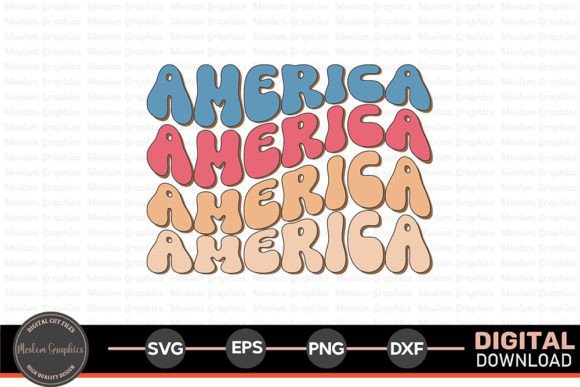
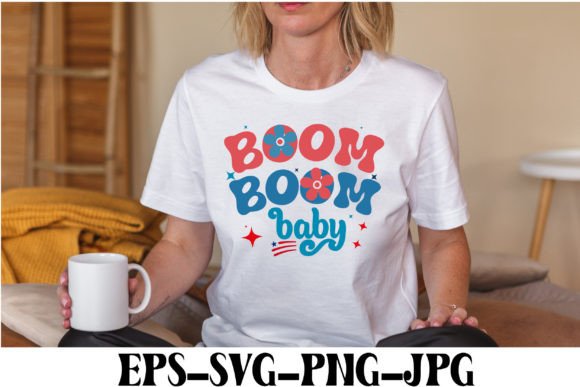
The moment you load Boom Boom Baby Svg, 4th of July Retro Svg, the mood is immediate. It captures that nostalgic, mid-century Americana vibe without feeling cluttered or overly busy. For an embroidery project, simplicity is often your best friend, and this design leans into clean lines and bold shapes. The "boom boom" concept suggests movement and energy, which translates well into thread work if handled correctly.
From a visual standpoint, the layout feels balanced. It doesn’t scream for attention with excessive detail but rather invites the viewer in with its playful typography and retro aesthetic. This makes it particularly strong for products where the design needs to be readable from a distance, such as sweatshirt embroidery or large tote bag designs. The color palette implied by the name—likely reds, whites, and blues—offers high contrast potential, which is crucial for legibility on various fabrics. However, the success of this look depends entirely on your thread selection and the base material you choose.
Real-World Application: From Concept to Finished Product
I tested the conceptual application of this machine embroidery design across several common small business categories. The versatility of Boom Boom Baby Svg, 4th of July Retro Svg shines brightest when applied to personalized gifts and boutique merchandise.
- Baby Apparel and Nursery Decor: Given the "Baby" aspect of the title, this design naturally fits into the nursery market. Imagine a soft muslin swaddle blanket or a onesie with this retro motif. The gentle curves and playful nature make it perfect for baby embroidery projects. It adds a touch of personality without being overwhelming, making it a hit for baby showers or first birthdays during the summer season.
- Holiday Merchandise: For the Etsy seller or craft fair vendor, this design is a goldmine for July inventory. It works exceptionally well on canvas totes, kitchen towels, and aprons. The retro theme aligns perfectly with Fourth of July parties and backyard barbecues. When stitched onto a sturdy cotton apron, it becomes a functional piece of art that customers are proud to use and display.
- Caps and Headwear: While caps can be tricky, the compact nature of many retro SVG layouts often allows them to fit comfortably within standard cap hoops. If the design features a central focal point, it can serve as a striking embroidered patch style logo on dad hats or baseball caps, appealing to those looking for subtle yet festive accessories.
Technical Considerations and Stitch Behavior
Transitioning from a vector file to a stitchable format requires careful planning. The visual appeal of Boom Boom Baby Svg, 4th of July Retro Svg relies heavily on how different stitch types interact with the design elements.
If the design includes text, you must evaluate the stitch density carefully. Thin fonts can become distorted or pucker if not digitized with adequate underlay and proper tension settings. Conversely, if the design utilizes heavy fill stitch areas, ensure that the fabric has enough body to support the weight of the thread. On lightweight fabrics like thin polyester or sheer cotton, dense fills can cause significant puckering, ruining the professional finish of the finished product.
For outlines or decorative accents, satin stitch provides a crisp, polished edge that enhances the retro feel. However, satin stitches on curved surfaces, such as the front panel of a cap, require precise alignment to avoid gaps or overlaps. Running stitches might be used for finer details, but they offer less durability than fill or satin stitches, so consider the intended lifespan of the item. If this is for a commercial product that will undergo frequent washing, robust stitch types are non-negotiable.
Where to Use Carefully
While versatile, there are specific scenarios where Boom Boom Baby Svg, 4th of July Retro Svg may present challenges:
- Small Hoop Sizes: If the design is scaled down too much, intricate details may merge together, creating a muddy appearance. Always check the minimum viable size before finalizing your product line.
- Textured or Stretchy Fabrics: Jersey knits or heavily textured materials like burlap can distort the geometry of the design. These fabrics often require additional stabilizer support and potentially a redesign of the stitch paths to accommodate stretch.
- Dense Stitch Areas: Avoid placing dense blocks of thread on curved surfaces unless you are using a rigid backing or specific cap-hooping techniques. Puckering is the enemy of perceived quality.
- Dark Fabrics: If the design relies on white thread for highlights, ensure your thread quality is high. Cheap threads can break or lint, especially in dense areas. Test contrast thoroughly.
Design Value and Customer Perception
In the handmade market, presentation is everything. A well-executed embroidery project communicates professionalism and care. Using Boom Boom Baby Svg, 4th of July Retro Svg allows you to tap into the emotional resonance of nostalgia and patriotism. Customers don't just buy a tote bag; they buy the feeling of a summer picnic or a family gathering.
This design supports brand consistency for shops focusing on vintage-inspired or Americana-themed goods. It helps create a cohesive collection that buyers recognize and trust. Furthermore, its adaptability means you can create multiple printable mockups and design assets to showcase the product in various contexts, increasing engagement on social media and online stores.
Practical Designer Notes Before You Stitch
Before committing to mass production or fulfilling custom orders, follow these essential steps:
- Test on Scrap Fabric: Never skip the test run. Stitch the design on the exact fabric type you plan to use. Observe how the thread colors pop against the background and check for any tension issues.
- Check Stabilizer Choice: The right stabilizer can make or break a project. Cut-away stabilizers are generally better for garments that will be stretched or washed frequently, while tear-away might suffice for stable home decor items.
- Review Small Details: Zoom in on the digital file. Are there tiny elements that might get lost in stitching? Simplify if necessary.
- Confirm Licensing: As a commercial embroidery user, you must verify the license terms of the digital embroidery file. Ensure you have the right to sell finished items made with this design. This protects your craft business from legal issues.
- Black and White Mockup: Convert the design to grayscale to check contrast balance. If the light and dark areas blend together, adjust your thread choices before stitching.
Ultimately, Boom Boom Baby Svg, 4th of July Retro Svg is a strong candidate for designers looking to add festive, high-quality pieces to their repertoire. Its retro charm and adaptable layout make it suitable for a wide range of handmade products, from personalized gifts to small shop products. By paying attention to stitch density, fabric choice, and licensing, you can transform this digital asset into a profitable and visually stunning physical reality.