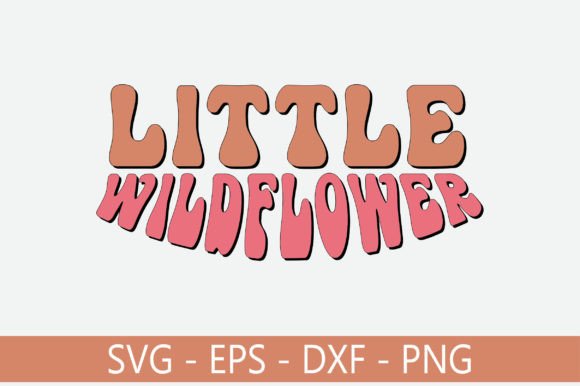
Little Wildflower Retro Svg Design
When I first pulled up the Little Wildflower Retro Svg Design, my immediate reaction was one of nostalgic warmth. There is a specific kind of charm that comes from retro botanical illustrations, and this file captures it perfectly without tipping into cluttered or dated territory. As someone who reviews embroidery assets for real-world application—whether for personal gifts, small business merchandise, or client projects—I look beyond just "pretty." I look at stitchability, marketability, and versatility. This design strikes a balance that is increasingly rare: it feels handmade and organic while maintaining the clean vector lines necessary for precise digital cutting or digitizing.
The aesthetic leans heavily into the late 60s and early 70s vibe, characterized by muted earth tones, slightly irregular petal shapes, and a sense of gentle imperfection. It is not a hyper-realistic floral; it is stylized. For an embroidery designer, this distinction is critical. Stylized designs tend to hold up better in machine stitching because they rely on shape and negative space rather than intricate, fragile details that might get lost in the fabric weave. The visual personality here is relaxed, approachable, and undeniably trendy, making it a strong candidate for current craft business trends.
Real-World Application and Project Potential
To truly evaluate any machine embroidery design, you have to imagine it on the hoop. In my testing scenarios, the Little Wildflower Retro Svg Design shines brightest when applied to soft, textured fabrics where its organic lines can breathe. My primary use case for this asset was a custom embroidered tote bag intended as a boutique gift set. The retro floral motif pairs exceptionally well with canvas or heavy cotton blends, offering a contrast between the rugged material and the delicate, whimsical nature of the flowers.
Beyond totes, this design is highly adaptable for sweatshirt embroidery. Imagine this rendered in a cream or oatmeal thread on a heather grey crewneck. The retro feel complements the casual comfort of sweatshirts, creating a piece that feels curated rather than mass-produced. It also works beautifully for baby items. Because the design lacks sharp, aggressive angles and features soft, rounded petals, it is safe and appealing for nursery decor, bibs, or onesies. It fits seamlessly into the "boho nursery" aesthetic that remains popular among parents looking for unique, non-generic baby gear.
For the Etsy seller or small shop product creator, this design offers excellent commercial potential. It is versatile enough to be used on aprons for kitchen-themed gifts, pillow covers for home decor, or even as an embroidered patch for denim jackets. The simplicity of the composition allows it to stand alone as a focal point without needing additional text or embellishments, which saves time during production. When paired with a simple font for a personalized touch, it creates a complete handmade product that feels cohesive and professional.
Technical Considerations and Stitching Clarity
While the visual appeal is high, practical execution requires careful planning. The design includes multiple formats—SVG, EPS, DXF, and PNG—which suggests it may be used for both direct embroidery and heat transfer or vinyl applications. If you are digitizing this yourself or using a pre-digitized file, pay close attention to the stitch density. Retro designs often utilize large areas of fill stitch to create solid color blocks. Ensure your stabilizer matches the fabric weight; a lightweight tee shirt will require cut-away stabilizer to prevent puckering, especially if the flower centers are densely stitched.
Thread color selection is where this design truly finds its voice. The retro palette begs for mustard yellows, dusty oranges, sage greens, and deep burgundies. Avoid bright, neon threads, as they will clash with the vintage mood. When testing, I found that using a monochromatic scheme (e.g., varying shades of blue) can modernize the look, while traditional earth tones keep it authentic. Always inspect the small details before committing to a full production run. If the design includes tiny leaves or inner petal veins, ensure your needle size and thread type can resolve those fine points without breaking or tangling.
Another technical note involves the hoop size. While the file formats allow for scaling, remember that extreme resizing can impact stitch quality. Enlarging too much may result in visible grid patterns in fill stitches, while shrinking too much can cause details to merge. Test the design in black and white mockups first to check the balance of positive and negative space. This helps visualize how the design will read from a distance, which is crucial for items like caps or hats where the curvature of the surface can distort proportions.
Navigating Fabric and Surface Challenges
Certain materials pose challenges for this style of artwork. On stretchy knits, such as thin t-shirts or jersey dresses, the design may distort if not stabilized properly. Similarly, textured fabrics like waffle knit or bouclé can hide the finer details of the embroidery, making the design appear muddy or indistinct. In these cases, consider simplifying the design or using a contrasting background fabric. Dark fabrics also present a visibility issue; unless you use light-colored threads, the subtleties of the retro shading may be lost. A white or light cream base fabric is generally the safest choice to ensure maximum clarity and visual impact.
Curved surfaces, like baseball caps or beanies, require careful placement. The organic flow of the wildflowers can follow the curve nicely, but if the design has rigid horizontal elements, it might look disjointed on a curved brim. Always do a baste test or use a temporary marking pen to verify alignment before starting the actual stitching process. This step is invaluable for avoiding wasted time and materials, especially when fulfilling orders for commercial embroidery clients who expect perfection.
Brand Consistency and Customer Perception
In the world of craft business and online selling, presentation is everything. The Little Wildflower Retro Svg Design lends itself to high-quality printable mockup creation. Its clean lines and balanced composition photograph well, allowing you to showcase the product in lifestyle settings—perhaps on a wooden table next to coffee beans or dried herbs. This enhances the perceived value of your finished product and increases buyer engagement. Customers trust designs that look intentional and professionally executed.
Furthermore, the retro theme taps into a broader cultural trend toward sustainability and nostalgia. Buyers are often drawn to products that feel timeless and enduring rather than fleeting trends. By using this design, you signal that your brand values classic aesthetics and quality craftsmanship. This builds long-term customer loyalty and encourages repeat purchases. Whether you are selling digital downloads or physical goods, the versatility of this asset ensures it remains relevant across seasons, particularly for spring collections, Mother’s Day gifts, or wedding favors.
Final Practical Notes for Designers
Before integrating this design into your workflow, take a moment to review the licensing terms associated with the download. Even though it is available in various formats, commercial rights vary. Confirm whether you can sell finished items, digital files, or both. Additionally, always test the design on scrap fabric that mimics your final product’s texture and weight. Check the thread colors under natural lighting to ensure they meet your standards. If you plan to offer this as part of a bundle or collection, consider how it pairs with other motifs. The Little Wildflower Retro Svg Design is a strong standalone piece, but it could also complement matching leaf or stem designs to create larger, more complex compositions.
In conclusion, this design is a valuable addition to any digital embroidery file library. It offers a blend of aesthetic appeal and practical utility that serves both hobbyists and professionals. By understanding its strengths and limitations, you can leverage its retro charm to create memorable, high-quality embroidered pieces that resonate with customers. Whether you are decorating a single gift or building a line of boutique apparel, this design provides a reliable foundation for creative success.