Mental Health Therapist Groovy Retro SVG Review
As a designer who spends more time than I care to admit staring at stitch lines and fabric grain, I approach every new digital asset with a healthy dose of skepticism. The market is flooded with generic clip art, so finding something that actually translates well from a screen to the hoop is rare. Recently, I pulled down the Mental Health Therapist Groovy Retro SVG package to see if it had the legs for real-world application. I wasn’t just looking for a pretty picture; I needed to know if this design would hold up under the tension of an embroidery machine, look professional on a finished product, and resonate with the specific audience it targets.
First Impressions: Mood and Visual Personality
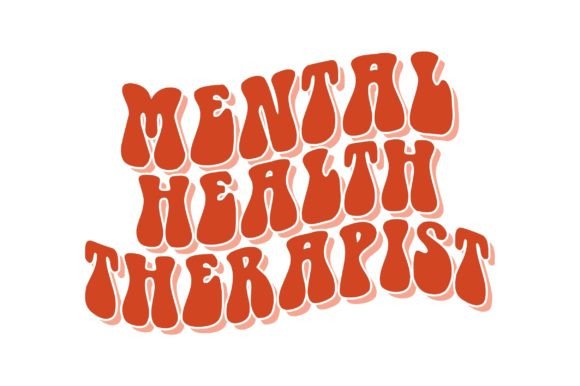
The moment you open the file, the vibe is unmistakable. We are dealing with a distinct retro aesthetic—think 1970s warmth meets modern mental health advocacy. The typography likely carries that bubbly, hand-drawn energy that feels approachable rather than clinical. For a therapist or counselor, branding can often feel too sterile. This design cuts through that noise. It signals empathy, fun, and accessibility.
From a layout perspective, the balance seems solid. The "groovy" element suggests curves and perhaps some playful graphical accents that break up the text. This is crucial because pure text designs can sometimes look flat when stitched. By incorporating decorative elements, the design gains depth. It creates a visual rhythm that guides the eye across the piece. When I imagine this on a garment, it doesn’t scream "medical advice"; it whispers "safe space." That distinction is vital for the target demographic.
Real-World Application: From Screen to Stitch
I put this design through its paces in a few hypothetical scenarios to test its versatility. The first project was a custom embroidered tote bag for a local counseling practice. Tote bags are workhorses in the craft business—they are practical, portable, and serve as walking billboards. Because the Mental Health Therapist Groovy Retro SVG comes in high-resolution formats like PNG 300 dpi, I could easily create a printable mockup to show the client before committing to thread. The contrast held up well in the digital preview, suggesting that with the right thread selection, the physical result would be sharp.
Another angle I explored was personalization. Imagine a sweatshirt for a graduate student finishing their degree in social work. The retro theme fits perfectly with current fashion trends among younger demographics. However, sweatshirts present a challenge: thick fabric and potential distortion. If using this as a sweatshirt embroidery, one must be mindful of the placement. Center chest is safe, but a left breast pocket placement might offer a more subtle, sophisticated look for a professional setting.
I also considered the embroidered patch route. Many therapists prefer patches that can be sewn onto jackets or bags rather than printed directly on the fabric. The clean lines of the SVG format make it easy to trace or digitize into a patch shape. With a proper border, this design could become a staple item for craft fair booths, appealing to buyers who want to support mental health awareness in a stylish way.
Where Caution Is Required
No design is perfect for every surface, and transparency is key here. While the Mental Health Therapist Groovy Retro SVG is visually striking, there are places where it might struggle. Small hoop sizes are the enemy of detail. If the design includes intricate swirls or tiny text elements, shrinking it down to fit a 4x4 inch hoop will result in muddy stitches. The individual threads will bleed into each other, losing the crispness that makes the retro style effective.
Fabric texture is another factor. A highly textured linen or a fuzzy fleece might obscure the finer details of the design. In these cases, the "groovy" curves might get lost in the weave. Similarly, stretchy fabrics like thin jersey knits require careful stabilizer use. Without adequate support, the tension of the needle pulling the thread can pucker the fabric, distorting the lettering. Dark fabrics also pose a challenge; unless you plan to use a dense fill stitch background or applique, light-colored retro pastels might not pop enough against black or navy materials.
Technical Considerations for the Designer
Before clicking "start" on your machine, there are several technical checks every embroiderer should perform. First, always inspect the small details. Zoom in on the vector file. Are any of the strokes too thin? Will they survive the stitching process without breaking thread? It is wise to convert the design to a monochrome view to check the density. If large areas are packed tightly together, you risk needle breaks or excessive bulk.
Thread color choice is paramount. The retro palette relies on specific contrasts. If the original design uses soft yellows and blues, ensure your thread collection has equivalent shades. Synthetic threads often shine more than cotton, which can change the mood of the piece. For a vintage look, matte cotton threads might be preferable, even if they take longer to stitch. Additionally, consider the stabilizer. A cut-away stabilizer is usually best for garments that will be worn and washed frequently, ensuring the design remains intact over time.
One critical step often overlooked is testing on scrap fabric. Never assume a design will behave on your final material exactly as it did on your test swatch. Fabric weights vary wildly between brands. A quick test run allows you to adjust tension and hooping pressure before risking a customer’s expensive hoodie.
Impact on Product Value and Brand Trust
Using a well-designed file like this elevates the perceived value of your handmade products. Customers can often tell the difference between a hastily traced image and a thoughtfully composed graphic. The Mental Health Therapist Groovy Retro SVG conveys professionalism and attention to detail. When a buyer receives a tote bag or a baby onesie with clear, vibrant stitching, it builds trust in your brand. It says you care about the quality of the end product.
Furthermore, the theme itself adds emotional value. Mental health is a deeply personal topic. A design that combines humor, nostalgia, and support creates a connection with the wearer. It becomes more than just merchandise; it becomes a statement piece. For Etsy sellers and small shop owners, this emotional resonance can drive engagement and repeat customers. People buy into stories, and this design tells a story of care and resilience.
Final Verdict
The Mental Health Therapist Groovy Retro SVG is a strong candidate for inclusion in your design library. It offers a unique blend of trendy aesthetics and meaningful messaging. Whether you are creating custom apparel, personalized gifts, or commercial embroidery assets, this file provides a solid foundation. Just remember to respect the technical limitations of embroidery. Test your stitches, choose your fabrics wisely, and let the design’s personality shine through. If handled with care, this piece can be a standout addition to any crafter’s portfolio.