Review: 1985 Limited Edition Retro Svg Design
When I sit down to evaluate a new digital asset for my embroidery studio, I am rarely looking for just "pretty." I am looking for viability. Does this design hold up under the tension of a hoop? Will the stitch density cause puckering on a cotton tee? And most importantly, does it translate visually when converted from a flat vector into textured thread? Recently, I took 1985 Limited Edition Retro Svg Design for a spin in my real-world workflow. As an experienced designer and reviewer, I have analyzed how this piece performs not just as a graphic, but as a functional machine embroidery design intended for commercial and personal use.
First Impressions and Visual Personality
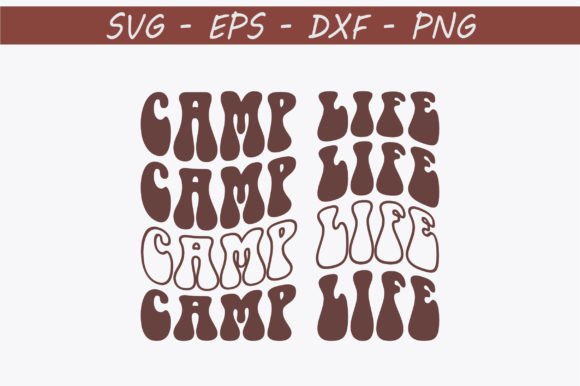
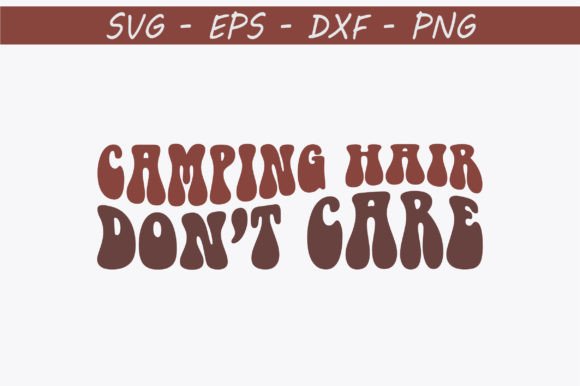
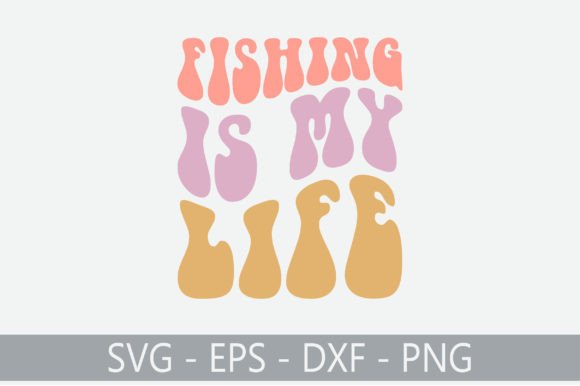
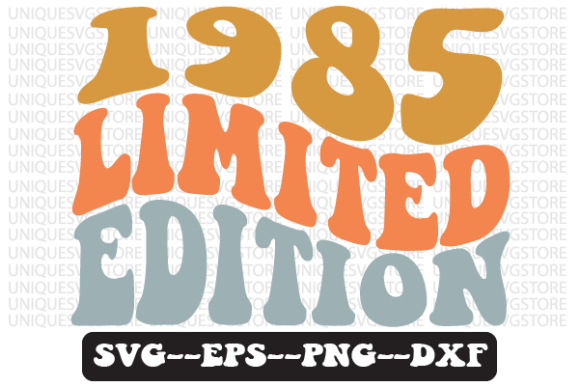
The moment you open the file, the mood is distinct. The wavy retro aesthetic immediately evokes a sense of nostalgia without feeling dated or cluttered. In the world of graphics and crafts, finding a balance between trendiness and timelessness is difficult. This design strikes that balance effectively. The curves are fluid, suggesting movement, which is crucial for embroidery project success because static lines can sometimes look stiff when stitched.
From a pure visual standpoint, the layout is clean. It does not scream for attention with excessive detail; instead, it relies on strong shapes and a confident silhouette. For an Etsy seller or a small shop owner, this clarity is a massive advantage. Customers scrolling through mobile devices need designs that are legible at thumbnail size. The bold nature of the 1985 Limited Edition Retro Svg Design ensures it remains recognizable even when printed as a tiny printable mockup for social media promotion.
Real-World Application: The Sweatshirt Scenario
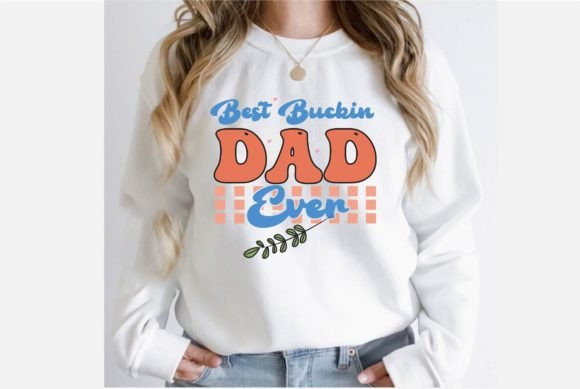
To truly test this design, I moved beyond the screen and imagined it on physical products. My primary test case was a heavyweight heather grey sweatshirt. This is a staple item for any custom apparel business, particularly during the fall and winter seasons. The wavy lines of the design lend themselves perfectly to chest placements or larger back prints.
When considering sweatshirt embroidery, fabric texture is the enemy of crisp details. Because the design features smooth waves rather than intricate filigree, it bypasses many of the common pitfalls associated with textured fabrics like fleece or terry cloth. The stitch density appears moderate, which means it should lay flat against the thick material without creating a heavy, uncomfortable lump. If executed correctly, this would result in a high-end boutique feel, elevating a basic garment into a statement piece.
I also considered its potential as a personalized gift. The retro theme appeals to millennials and Gen X consumers who appreciate vintage aesthetics. Whether used for a birthday present, a holiday gift, or a corporate swag item, the design carries a warmth that resonates emotionally. It feels like a handmade product crafted with care, rather than mass-produced factory output.
Technical Performance and Stitch Execution
As we transition from concept to execution, the technical aspects of the embroidery file come into play. While the source is described as an SVG, converting this to a format suitable for your specific machine requires careful planning. The wavy nature of the design suggests that fill stitch techniques will be predominant, possibly supplemented by satin stitch edges to define the boundaries cleanly.
One critical factor is thread colors. A retro design often relies on specific color palettes—mustard yellows, burnt oranges, teal blues, or cream whites. When selecting threads, you must ensure high contrast against your chosen background. On dark fabric, light pastel threads might get lost, whereas on white fabric, dark saturated tones provide excellent pop. Testing these combinations in black and white mockups before cutting fabric is a pro tip that saves time and material.
If you plan to use this as an applique design, the clean lines offer a perfect base layer. You could stitch the outline first, apply a contrasting fabric, and then fill it in, adding dimension to the wavy pattern. Alternatively, using a running stitch for the inner details could add a delicate, hand-stitched aesthetic that contrasts beautifully with the bolder outer shapes.
Where Caution Is Required
Despite its strengths, there are scenarios where this design needs careful handling. It is not universally ideal for every surface.
- Small Hoop Sizes: If you attempt to digitize or scale this down too much for a small hat patch or a tiny baby onesie detail, the integrity of the waves may suffer. Tiny curves can become jagged if the resolution is insufficient or if the stitch length is too long relative to the curve radius.
- Stretchy Fabrics: While acceptable on stable knits like jersey tees, extreme stretchiness can distort the symmetry of the waves during stitching. Using a proper stabilizer is non-negotiable here to prevent shifting.
- Curved Surfaces: Applying this to caps or curved tote bags requires advanced technique. The design’s horizontal flow might warp unnaturally if not adjusted for the curvature of the object.
- Dense Areas: Although generally well-balanced, avoid overloading the design with additional decorative accents. The wavy lines are the star; adding too much extra fluff around them can create a cluttered look and increase the risk of needle breaks.
Impact on Brand and Customer Trust
For commercial embroidery businesses, the quality of your design directly impacts customer trust. A sloppy execution of a simple design looks worse than a complex design executed poorly. The simplicity of 1985 Limited Edition Retro Svg Design actually raises the stakes—it demands precision. When a customer receives a finished product with crisp, unbroken waves and no visible backing showing through, they perceive higher value.
This perception translates to better reviews and repeat business. In the competitive landscape of craft business platforms, presentation is key. High-quality images of your finished product showcasing the texture and depth of the embroidery will drive engagement. The nostalgic appeal of the design also encourages sharing, as customers love to display items that reflect their personality or era of preference.
Practical Designer Notes for Success
Before committing to a full production run, follow these practical steps to ensure the best outcome:
- Test on Scrap Fabric: Always run a sample on the exact fabric type you intend to sell. Cotton behaves differently than polyester blends, and wool reacts uniquely to stabilizers.
- Check Stitch Density: Ensure the digitizing software settings match the fabric weight. Too dense, and you risk puckering; too sparse, and the fabric shows through.
- Confirm Licensing: Verify whether the digital embroidery file allows for commercial use. Selling handmade items requires clear rights to reproduce the design. If you are unsure, assume personal use only until confirmed.
- Inspect Small Details: Zoom in on the vector. Are there any sharp corners that might not convert well to thread? Rounding off minor imperfections digitally can save hours of troubleshooting on the machine.
- Use Proper Stabilizer: Match your stabilizer to the fabric. Tear-away for stable wovens, cut-away for knits and stretchy materials.
Final Verdict
1985 Limited Edition Retro Svg Design is a versatile, visually appealing asset that bridges the gap between digital graphics and tactile craftsmanship. It works exceptionally well for tote bag design projects, nursery decor, and casual custom apparel. Its strength lies in its clean, nostalgic aesthetic that appeals to a broad demographic.
However, success depends on execution. By respecting the limitations of fabric stretch, hoop size, and stitch density, designers can transform this simple wave pattern into a premium handmade product. For Etsy sellers and small shop owners looking to expand their inventory with timeless, trendy items, this design offers a solid foundation. Just remember to test thoroughly, choose your threads wisely, and let the quality of the stitching speak for itself.