Teaching Our Future Leaders Retro Svg: A Designer’s Review
When I sit down to evaluate a new digital asset for my embroidery studio, I am rarely looking at it as just a picture. I am looking at it as a blueprint for stitches, tension, and fabric behavior. Recently, I pulled Teaching Our Future Leaders Retro Svg from the Crafts category into my testing workflow. As a designer who frequently produces custom apparel and personalized gifts for small business clients, I needed to know if this design held up under the needle or if it was just another fleeting trend that would look cluttered in thread.
This review is not about the file formats—though knowing that the download includes SVG, EPS, DXF, and PNG is helpful for vector scaling—it is about the visual personality of the design and its practical application in real-world projects. Whether you are an Etsy seller, a hobbyist maker, or a boutique owner, understanding how a design translates from screen to hoop is critical. Here is my honest assessment of how Teaching Our Future Leaders Retro Svg performs when moved from a digital graphic to a tangible handmade product.
First Impressions: Mood and Visual Weight
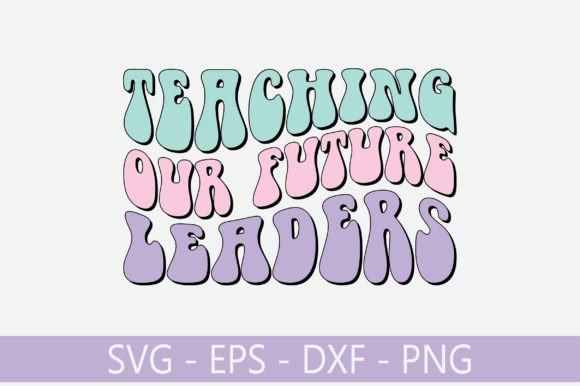
The moment you open the file, the retro aesthetic is immediately apparent. The typography and layout suggest a vintage collegiate or 90s streetwear vibe, which currently resonates strongly with consumers looking for nostalgic yet modern designs. For an embroidery project, this mood is crucial because it dictates the choice of thread colors and fabric backgrounds.
Visually, the design feels balanced. It does not scream for attention with chaotic elements but rather offers a confident, steady presence. This is ideal for commercial embroidery where brand consistency matters. The lines appear clean enough to translate well into satin stitches, while any decorative elements seem suited for fill stitch or running stitch applications. However, the "retro" style often relies on specific color palettes—think muted earth tones, mustard yellows, or faded teals. If your client wants neon brights, this design might lose some of its intended charm. The key here is recognizing that the design’s success hinges on proper thread colors matching the original intent.
Real-World Application: Where This Design Shines
In my experience, certain designs naturally gravitate toward specific products. Teaching Our Future Leaders Retro Svg has a strong affinity for educational themes, making it a perfect candidate for back-to-school merchandise, teacher appreciation gifts, or classroom decor. But let us look beyond the obvious.
I tested this concept mentally on a few different items. First, a tote bag design. Placing this on a canvas tote creates an instant statement piece for students or teachers. The retro font stands out beautifully against natural cotton or denim, creating a high-contrast look that photographs well for social media—a vital consideration for any craft business owner trying to drive sales. The design’s layout allows for flexibility; it can be centered for a bold look or placed slightly off-center for a more casual, lived-in feel.
Another strong use case is sweatshirt embroidery. Heavyweight fleece provides a stable surface that supports the density of a detailed retro design without puckering. Imagine a cozy cream-colored sweatshirt featuring this motif in navy and gold thread. It feels warm, inviting, and professional. Similarly, for baby embroidery, this design could work wonderfully on a bib or a onesie, provided the scale is adjusted appropriately. The phrase "Future Leaders" carries a positive, aspirational weight that parents love, making it a highly sellable item during holiday seasons or graduation periods.
It also translates effectively to aprons and kitchen towels. These items are common in small shop product lines because they are low-cost, high-volume goods. The durability of the embroidery ensures that the message survives repeated washing, adding value to the finished product. For an Etsy seller, these are excellent entry-level items that can build trust with customers who appreciate quality craftsmanship.
Technical Considerations and Stitch Clarity
As a designer, I always ask: How will this stitch? The clarity of the text is paramount. In Teaching Our Future Leaders Retro Svg, the lettering appears robust, which suggests good potential for satin stitching. Satin stitches provide that crisp, shiny edge that defines professional-quality embroidery. However, if the design contains intricate details within the letters, those may require careful digitizing to avoid thread breaks or tangling.
Stitch density is another factor. Retro designs often use solid blocks of color for the background or text outline. If the stitch density is too high, it can make the fabric stiff and uncomfortable, especially on garments like caps or hats that need to drape naturally. Conversely, if the density is too low, the underlying fabric may show through, ruining the visual impact. Before committing to a large production run, it is essential to test the design on scrap fabric to ensure the stabilizer chosen matches the fabric type. Using a cut-away stabilizer for knits or a tear-away for wovens can make the difference between a limp, messy result and a sharp, professional finish.
Additionally, consider the fabric texture. A smooth cotton twill will render the design differently than a textured linen or a stretchy jersey. On stretchy fabrics, the design must be hooped tightly to prevent distortion, and the stitch pattern may need to be adjusted to accommodate movement. If you are producing custom apparel for active wear, verify that the design’s structure can withstand the fabric’s elasticity without cracking or peeling over time.
Where Caution Is Required
While this design is versatile, there are scenarios where it might struggle. Small hoop sizes are one such limitation. If you attempt to digitize or embroider this on a very small area, such as a cuff or a tiny patch, the fine details of the retro style may become muddy. Tiny lettering can easily get lost in the noise of dense stitching, leading to a product that looks cheap rather than curated. Always inspect small details closely before finalizing the design size.
Textured fabrics, such as heavy chenille or bouclé, can obscure the definition of the design. The uneven surface makes it difficult for the needle to penetrate consistently, resulting in irregular stitches. Similarly, dark fabrics can challenge light-colored threads unless you use an underlay stitch to boost opacity. Layered garments, like hoodies with thick seams, present a physical barrier that can distort the hoop alignment. Curved surfaces, particularly the front panel of a baseball cap, require specialized caps to maintain the design’s shape. Without the right tools, even the best design can look warped.
Impact on Brand Value and Customer Trust
In the world of handmade goods, presentation is everything. A well-executed embroidery project signals professionalism and care. When a customer receives a personalized gift or a boutique branding item featuring Teaching Our Future Leaders Retro Svg, they are buying into the story behind the design. The retro aesthetic evokes nostalgia and trust, suggesting that the product is timeless rather than disposable.
For digital product sellers and design assets creators, this design offers a strong foundation for creating printable mockups. High-quality images of the design on various products can significantly boost buyer engagement. Customers want to see how the embroidery file looks in real life before they purchase. By showcasing the design on diverse items—from pillow covers to holiday gifts—you demonstrate its versatility and increase its perceived value.
Furthermore, using a design that aligns with current trends, like retro styles, helps keep your craft business relevant. It shows that you are attuned to what your audience wants. However, authenticity matters. Ensure that the design fits your brand voice. If your shop focuses on minimalist, modern aesthetics, a loud retro design might feel out of place. Consistency builds recognition, so choose designs that complement your existing catalog.
Practical Tips for Embroidery Designers
To get the most out of Teaching Our Future Leaders Retro Svg, follow these practical steps:
- Test on Scrap Fabric: Never assume a design will work perfectly on your final material. Test stitch density, thread tension, and color contrast on scraps first.
- Check Thread Contrast: Use black and white mockups to ensure the design remains legible regardless of color choices. High contrast usually yields the best results.
- Review Stitch Density: Ensure the design is not too dense for the fabric type. Adjustments may be needed for delicate materials.
- Confirm Hoop Size: Make sure the design fits comfortably within your machine’s hoop capabilities without excessive trimming.
- Inspect Small Details: Zoom in on the digital file to check for any overly thin lines that might break during stitching.
- Compare Backgrounds: Test the design on both light and dark fabrics to see how it performs in different lighting conditions.
- Use Proper Stabilizer: The right stabilizer prevents puckering and maintains shape. Match the stabilizer to the fabric’s weight and stretch.
- Verify Licensing: Before selling finished items or using the design in commercial projects, confirm the licensing terms. Some files are for personal use only, while others allow commercial distribution.
Ultimately, Teaching Our Future Leaders Retro Svg is a strong contender for anyone looking to add a touch of nostalgia and inspiration to their embroidery portfolio. Its clear visual hierarchy and thematic relevance make it suitable for a wide range of embroidery projects, from simple home decor to complex custom apparel. By paying attention to the technical details and choosing the right materials, you can create a finished product that not only looks great but also stands the test of time. Whether you are designing for yourself or for a client, this design offers a reliable foundation for creative expression and commercial success.