Field Day Wavy Retro Svg Design Review
When I sit down to evaluate a new design asset for my embroidery studio, I am rarely looking for something that simply "looks nice." I am looking for viability. Does this design translate well from a screen to the needle? Will it hold up on a garment that gets washed weekly? Does it have enough visual personality to justify the price point in a crowded marketplace like Etsy or a local craft fair? Today, I am putting Field Day Wavy Retro Svg Design under the microscope. This is a graphic originally marketed as a printable PNG and sublimation file, but for those of us in the Crafts and Graphics spaces who repurpose digital assets into tangible goods, the real question is how it behaves as a machine embroidery design.
First Impressions: The Vibe and Visual Personality
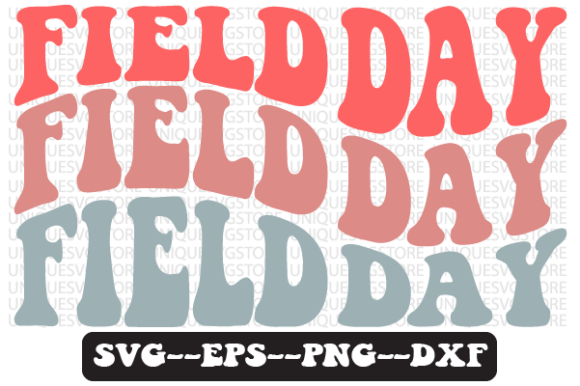
The moment you open the file, the mood is immediately established. The wavy, retro aesthetic taps into that nostalgic mid-century modern feel that has been dominating interior and apparel trends for the last few years. It feels relaxed, approachable, and undeniably cheerful. For an embroidery designer, this is crucial because the subject matter dictates the stitching strategy. A rigid, geometric logo requires precision; a wavy, organic shape requires flow.
In terms of layout, the design relies on clean lines and sweeping curves. This suggests that it will stitch beautifully with satin stitches for outlines and perhaps fill stitches for any solid color blocks within the waves. The visual weight is balanced, meaning it won’t look top-heavy when placed on a chest area or centered on a tote bag. It has a professional polish that separates it from amateur clipart, which is exactly what we need when we are trying to build trust with boutique clients.
Real-World Application: From Screen to Stitch
Let’s talk about a specific scenario. Imagine you are preparing a batch of custom embroidered sweatshirts for a summer pop-up shop. You want something that screams "relaxed weekend" without being too childish. Field Day Wavy Retro Svg Design fits this niche perfectly. When digitized correctly, the wavy lines can mimic the movement of water or heat haze, creating a dynamic texture on fabric.
I envision this design shining on:
- Custom Apparel: On a heavyweight cotton sweatshirt, the retro vibe pairs well with thicker threads, giving the design a tactile, raised presence.
- Baby Embroidery: Because the shapes are soft and rounded, it translates exceptionally well to onesies and burp cloths. The lack of sharp, aggressive angles makes it safe and visually soothing for nursery decor items.
- Tote Bag Design: Canvas bags are a staple for the craft business. This design offers high visibility on a large surface area, making it ideal for branded merchandise or personalized gifts.
- Holiday Embroidery: While not explicitly seasonal, the bright, sunny energy works well for spring and summer holidays, such as Father’s Day or beach-themed baby showers.
For the Etsy seller or small shop product owner, versatility is key. This design allows you to create a cohesive collection. You can use the same wavy motif on tea towels, aprons, and pillow covers, creating a recognizable brand identity that customers associate with quality and style.
Technical Considerations and Potential Pitfalls
As much as I love the aesthetic, no design is perfect for every application. Here is where my inner technician kicks in. Because Field Day Wavy Retro Svg Design features flowing curves, it demands attention to stitch density and stabilizer choice.
If you attempt to embroider this on a small hoop size, you risk losing the integrity of the wave patterns. Tight curves on small areas can bunch up if the stitch density is too high. I recommend testing this on a larger hoop first to ensure the lines remain smooth and don’t distort. Furthermore, while the design looks great in a digital mockup, you must consider the fabric texture. On highly textured fabrics like bouclé or heavy denim, fine details might get lost. In these cases, simplifying the digitization by using broader satin stitches can help maintain clarity.
Another critical factor is thread contrast. If you plan to use this on dark fabric, ensure your thread colors provide enough pop. The retro palette usually includes pastels or muted tones, which can disappear against black or navy backgrounds unless you use a contrasting backing or a light-colored base layer. Always test your thread colors on scrap fabric before committing to the final piece.
Strategic Advice for Digital and Physical Creators
Whether you are selling the physical finished product or the digital asset itself, presentation matters. For those reselling this as a digital embroidery file, providing accurate mockups is essential. Show the design on different garments—light and dark—to demonstrate its versatility. Include close-ups that highlight the smoothness of the curves, proving that the digitization (or the source vector) is clean.
If you are using this for commercial embroidery, remember to check the licensing terms. Just because a file is available for purchase does not automatically grant commercial rights for unlimited production. Ensure you have the proper license to sell finished items, especially if you are scaling up for a craft business.
Here are a few practical steps to take before you start stitching:
- Test on Scrap Fabric: Never go straight to the customer’s garment. Use a similar fabric type to check for puckering or thread breaks.
- Inspect Small Details: Zoom in on the digital file. Are there any tiny isolated elements that might require excessive trimming? Simplify if necessary.
- Check Hoop Size: Confirm that the design dimensions fit comfortably within your machine’s standard hoops to avoid re-hooping.
- Review Stabilizer Choice: Wavy designs can shift if the fabric isn’t stabilized properly. A cut-away stabilizer is often best for stretchy knits to prevent distortion over time.
Final Verdict
Field Day Wavy Retro Svg Design is a strong contender for designers looking to add a touch of nostalgia and warmth to their portfolio. It bridges the gap between casual hobbyist projects and professional boutique merchandise. Its strength lies in its adaptability—it works just as well on a delicate baby item as it does on a rugged work apron. However, success depends entirely on execution. Pay attention to your stitch types, choose your fabrics wisely, and always prioritize quality control.
For the embroidery project planner, this design offers a low-risk, high-reward opportunity. It appeals to a broad demographic, from young parents to vintage enthusiasts. By treating it with the technical respect it deserves, you can turn a simple wavy graphic into a standout handmade product that drives sales and builds customer loyalty. Just remember to verify all technical specifications and licensing agreements before you hit the start button on your machine.