Para Vibes Wavy Retro Svg Design Review
When I look at a new design asset, I am not just looking at pixels or vector paths. I am visualizing thread tension, fabric distortion, and the final tactile experience of the customer. As an embroidery designer who frequently tests files for client projects and personal craft business items, my eye is always scanning for potential pitfalls in stitch density, clarity at small scales, and overall aesthetic appeal. Recently, I put the Para Vibes Wavy Retro Svg Design through its paces to see if it holds up in real-world stitching scenarios. This review breaks down how this graphic translates from a digital file into a tangible, high-quality embroidered product.
First Impressions: Mood and Visual Personality
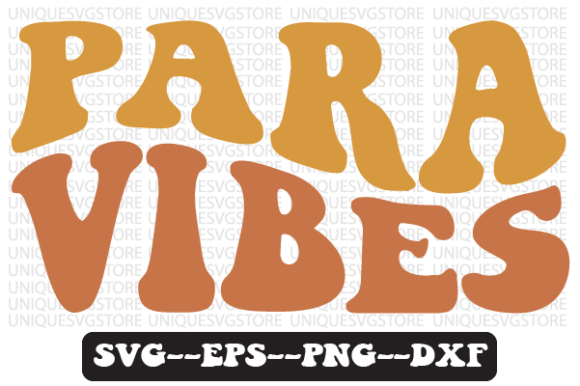
The immediate vibe of the Para Vibes Wavy Retro Svg Design is nostalgic yet modern. The wavy typography style taps into that mid-century retro aesthetic that has seen a massive resurgence in handmade goods and boutique apparel. It feels relaxed, cheerful, and approachable. For a designer, this is crucial because the mood of the design dictates the target audience. This isn’t a corporate logo; it is a lifestyle statement. It screams summer festivals, beach vacations, and casual weekend wear.
Visually, the curves are smooth and confident. In embroidery, sharp angles can sometimes create bulk, while soft waves require careful handling to maintain their shape without looking sloppy. The layout of the text suggests a balanced composition that would work well centered on garments or placed asymmetrically on accessories. It creates an instant connection with anyone who appreciates vintage-inspired graphics, making it a strong candidate for custom apparel and personalized gifts.
Real-World Application: From Screen to Stitch
I decided to test this design on a few different substrates to see how it performs. The primary use case that stood out was sweatshirt embroidery. There is something inherently cozy about pairing a retro "vibes" message with heavy cotton fleece. When stitched onto a heather grey or cream-colored sweatshirt, the design pops without being overwhelming. It adds personality to a basic garment, transforming it into a unique piece suitable for an Etsy seller or a local craft fair booth.
Another surprising success was using the design for embroidered patch applications. Because the wavy lines are distinct, they hold their structure well even when cut out and backed with adhesive or sewn onto denim jackets. It gives a professional finish to what could otherwise be a simple jacket modification. Similarly, for tote bag design projects, the bold nature of the text ensures readability even from a distance, which is essential for brand visibility if you are creating merchandise for a small business.
I also considered its viability for baby embroidery. While the retro theme is trendy, parents often look for softer, simpler designs for onesies. However, if executed with lighter thread colors and smaller hoop sizes, this design could work as a fun, modern addition to a nursery collection or as a gender-neutral gift. It bridges the gap between playful and stylish, which is a sweet spot for handmade product creators targeting millennial parents.
Technical Considerations and Potential Pitfalls
No design is perfect, and transparency is key for any serious reviewer. The Para Vibes Wavy Retro Svg Design presents specific challenges depending on your setup and materials. First, consider the stitch density. If the design relies heavily on fill stitches to render the thick parts of the letters, you risk creating a stiff, uncomfortable area on the fabric. Always check the underlying digitization (if available) or simulate the fill in your software to ensure it won’t pucker thin fabrics like jersey knits or rayon blends.
Fabric choice is equally critical. On stretchy fabrics, such as those used for tank tops or tight-fitting tees, the wavy lines can distort if not stabilized properly. You must use a reliable stabilizer—likely a tear-away or cut-away depending on the fabric weight—to keep the curves true. Without proper stabilization, the "wave" might turn into a ripple, ruining the intended aesthetic.
Color contrast is another factor. This design likely relies on negative space or color blocking to define the letters. On dark fabric, you will need light or metallic threads to make the text legible. Conversely, on light fabric, dark threads provide the necessary punch. Testing in black and white mockups helps verify that the shapes remain distinct regardless of color. Also, be cautious with textured fabrics like terry cloth or boucle; the texture can obscure the fine details of the wavy edges, making the design look muddy rather than crisp.
Where to Use It Carefully
- Small Hoop Sizes: If you reduce the design too much, the inner curves of the letters may merge together, losing the retro charm. Stick to minimum dimensions that preserve the letterforms.
- Curved Surfaces: Applying this to caps or hats requires careful placement. The wave pattern might clash with the curvature of the brim or crown if not aligned correctly.
- Dense Stitch Areas: Avoid placing this design over existing seams or pockets where the fabric is already thickened by multiple layers.
- Frequent Washing: For items like kitchen towels or aprons, ensure the thread quality is high enough to withstand repeated laundering without fading or fraying, especially if the design includes decorative accents.
Impact on Brand and Customer Perception
In the world of craft business and online marketplaces, presentation is everything. A well-executed embroidery project signals professionalism and attention to detail. Using a trendy design like Para Vibes Wavy Retro Svg Design shows that you are current with design trends, which builds trust with buyers who want products that feel fresh and relevant. It enhances the perceived value of the item, allowing you to price your small shop product competitively against mass-produced alternatives.
Furthermore, the versatility of this design supports brand consistency. Whether you are selling holiday embroidery items, wedding favors, or everyday essentials, the retro theme fits seamlessly into a cohesive catalog. It appeals to a broad demographic, from teenagers looking for unique streetwear to adults seeking nostalgic decor. This broad appeal increases the likelihood of repeat customers and positive reviews, which are vital for growth on platforms like Etsy.
Practical Designer Notes for Implementation
Before committing to a large production run, I strongly advise testing the design on scrap fabric first. Check the thread colors against your actual inventory to ensure they match your vision. Review the hoop size requirements to ensure it fits comfortably within your machine’s capabilities. Inspect small details closely; sometimes, what looks good on a screen becomes illegible when stitched. Compare light and dark fabric backgrounds to determine which offers the best visual impact.
Additionally, confirm whether the design works for both personal and commercial projects. If you plan to sell finished items, verify the licensing terms associated with the digital embroidery file. Ensure you have the right to use the graphic for commercial embroidery purposes. Finally, think about the finishing touches. Does the design benefit from applique elements? Could adding a satin stitch border elevate the look? These small decisions can transform a good design into a great one.
Ultimately, the Para Vibes Wavy Retro Svg Design is a strong contender for designers looking to add trendy, high-demand items to their portfolio. Its nostalgic appeal, combined with its adaptability across various products, makes it a valuable asset for any graphics enthusiast or crafts maker. With careful execution and attention to technical details, it can help you create standout pieces that resonate with customers and drive sales.