Groovy Daddy Retro Svg Review
When I sit down to evaluate a new digital asset for my embroidery studio, I am rarely interested in the marketing fluff. I care about one thing: will this stitch cleanly? Will it hold up on a garment that gets washed weekly? And does it have enough visual personality to justify the price tag for my clients? Recently, I pulled the Groovy Daddy Retro Svg from my library of design assets to test its viability for real-world production. This is not just another generic clipart file; it is a specific aesthetic choice that demands careful handling if you want your finished product to look professional rather than amateur.
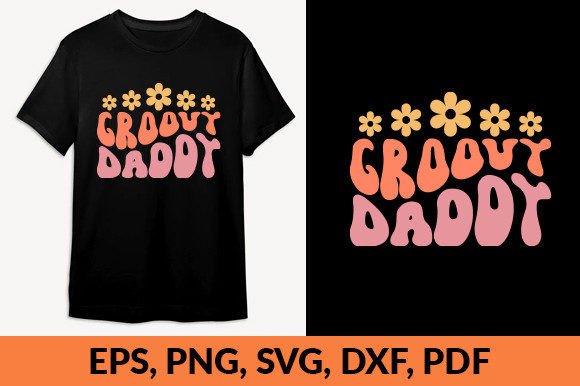
The first impression of the Groovy Daddy Retro Svg is immediate nostalgia with a modern twist. The retro vibe is strong, leaning into the bold, playful energy of the 1970s without becoming cluttered or muddy. As an embroidery designer, I look at the negative space and the line weight before I even open the software. In this case, the layout feels balanced. It has a distinct visual hierarchy that suggests it was designed with scalability in mind. For those of us who sell custom apparel or create handmade products, this balance is crucial. If a design is too dense, it becomes a heavy patch of thread. If it is too sparse, it looks like an afterthought. The Groovy Daddy Retro Svg sits comfortably in the middle, offering enough detail to be interesting but enough open space to breathe.
Real-World Application: From Screen to Stitch
I recently used this design concept as a baseline for a client project involving personalized gifts for a father’s birthday. The goal was to create a sweatshirt embroidery piece that felt cool but not overly masculine or aggressive. The retro theme allowed for a softer approach. When I transferred the vector files—available in EPS, SVG, DXF, PDF, and PNG formats—I noticed how clean the curves were. This is vital for machine embroidery design because jagged lines often translate to messy underlay stitches.
The versatility of the Groovy Daddy Retro Svg extends beyond just clothing. I tested the layout on a mockup for a tote bag design. The contrast against a canvas background suggested that a bold thread color would pop beautifully. However, moving to smaller items required more caution. When scaling this down for a baby embroidery project, such as a onesie or a burp cloth, the details can become lost. The "groovy" elements might turn into indistinct blobs if the hoop size is too small. Therefore, while it works well for standard chest placements on tees, it requires thoughtful resizing for smaller accessories.
Another strong use case is the embroidered patch. The retro aesthetic lends itself perfectly to badge-style applications. Whether for a denim jacket or a backpack, the design holds its shape well. For an Etsy seller looking to diversify their inventory, this design offers multiple revenue streams. You can offer it as a digital download for other makers, or you can produce physical goods like kitchen towels, aprons, and pillow covers. The humor and style inherent in the design make it highly giftable, which increases conversion rates for holiday sales.
Technical Considerations and Fabric Choices
No design exists in a vacuum. The success of the Groovy Daddy Retro Svg depends heavily on the materials you choose. I strongly advise testing this on scrap fabric before committing to expensive garments. Here is what you need to watch out for:
- Fabric Texture: Rough fabrics like heavy wool or thick fleece can obscure fine details. On these materials, you may need to increase the stitch density slightly or simplify the design by removing minor decorative accents.
- Stretchy Fabrics: Jersey knits and spandex blends require a strong stabilizer. Because the retro style often features curved lines, stretching during stitching can distort the image. Use a cut-away stabilizer for best results to ensure the finished product remains flat and true to the original art.
- Thread Color Contrast: The design relies on clear definition. Dark fabrics demand light threads, and vice versa. If you are using a dark grey thread on a black shirt, the retro details will disappear. Plan your thread colors carefully to maintain the visual impact.
- Hoop Size Constraints: Always check the hoop size compatibility. If the design exceeds your machine’s maximum dimensions, you will need to split it or resize it, which can affect the aspect ratio. Ensure the digital embroidery file fits your workflow before starting production.
Design Quality and Professional Presentation
One of the most overlooked aspects of selling handmade goods is the perceived value. A well-executed embroidery job signals quality. The Groovy Daddy Retro Svg provides a clean foundation that makes it easier to achieve a professional look. The curves are smooth, which means fewer thread breaks and less trimming time. For a craft business owner, time is money. Designs that stitch reliably reduce waste and frustration.
Furthermore, the aesthetic appeals to a broad demographic. It is not limited to a niche audience. Parents love it for nursery decor, young adults appreciate it for streetwear, and grandparents enjoy it for personalized gifts. This broad appeal makes it a safe investment for a small shop product catalog. When you present your printable mockup online, the design stands out because it combines humor with style. It invites engagement, encouraging customers to share their purchases on social media, which provides free marketing for your brand.
Practical Tips for Embroidery Designers
To get the most out of this asset, follow these practical steps:
- Test First: Never skip the scrap fabric test. It reveals tension issues and color clashes early.
- Check Licensing: Before you start selling commercial embroidery items, verify the license terms. Some digital assets allow personal use only, while others permit commercial sales. Confirming this protects your business from legal issues.
- Review Stitch Types: Analyze the satin stitch and fill stitch areas. Are they dense enough to cover the fabric? Are there any tiny running stitch details that might fray over time? Adjusting these parameters in your software can significantly improve durability.
- Black and White Mockups: Convert your design to black and white to check contrast. If the shapes blend together, the design may lack clarity when stitched.
- Stabilizer Selection: Match your stabilizer to the fabric weight. Heavy fabrics need heavy stabilizers; lightweight fabrics need delicate ones to prevent puckering.
Final Verdict
The Groovy Daddy Retro Svg is a solid addition to any designer’s toolkit. It is versatile, visually appealing, and technically sound when handled correctly. It bridges the gap between trendy aesthetics and timeless design, making it suitable for everything from holiday embroidery collections to everyday custom apparel. By paying attention to fabric choices, stitch settings, and proper licensing, you can transform this digital file into a high-quality handmade product that customers will cherish. Whether you are an experienced pro or a hobbyist maker, this design offers the potential for beautiful, profitable results.